Schools outside the capital region face a double challenge as enrollment falls — fewer classmates for children, fewer programs for schools to offer
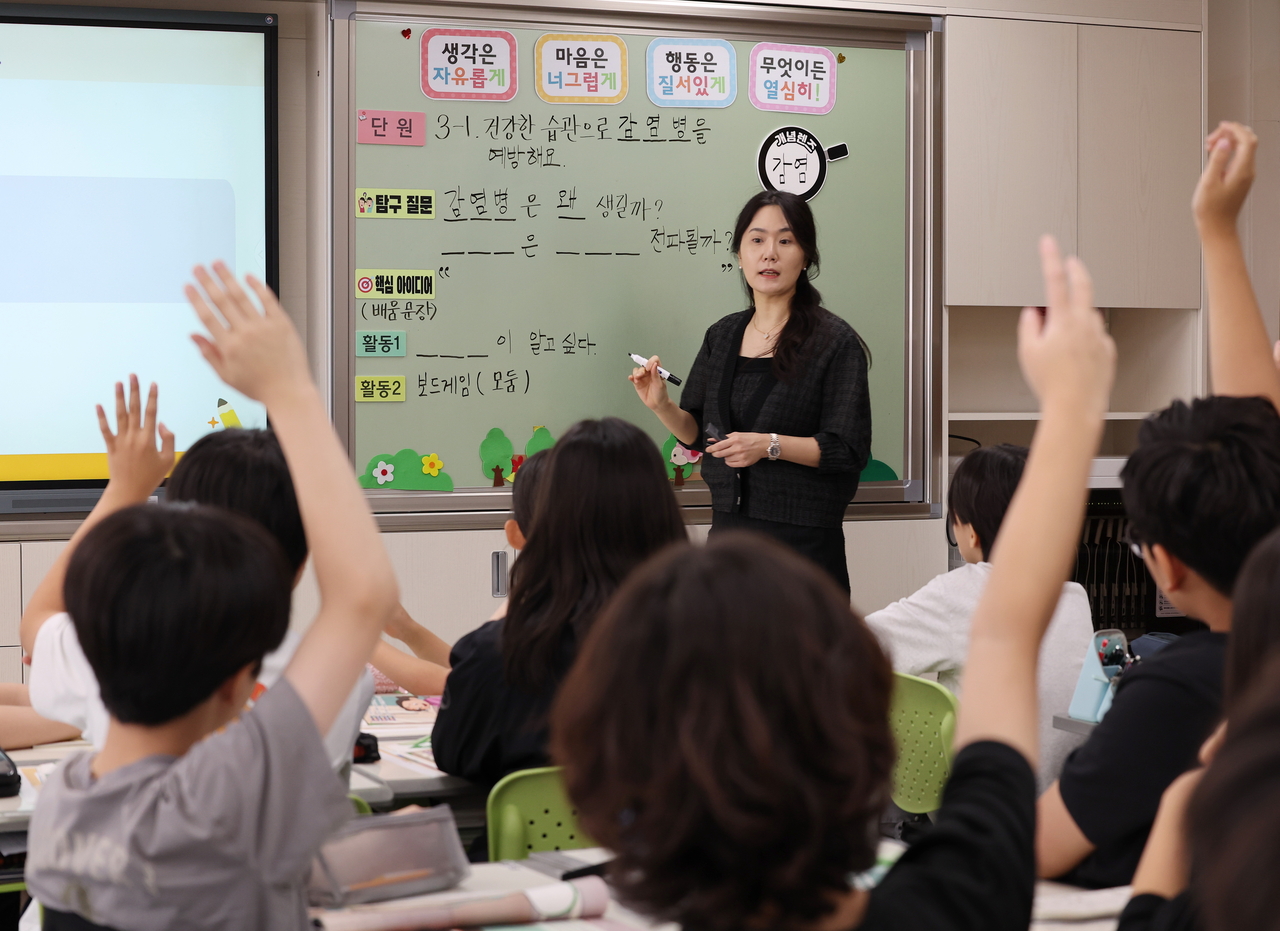
No first graders arrived this year at Deungmyeong Elementary School in western Seoul. The school is now facing a merger, and a similar situation is playing out across South Korea, where the smallest incoming class on record is expected to start elementary school next spring.
The number of new elementary school students is likely to fall below 300,000 for the first time in 2027, just three years after it dropped below 400,000, based on national birth figures and enrollment data from the Korean Educational Development Institute.
Most children due to start school next year were born in 2020, when South Korea recorded 272,337 births, down 10 percent from 302,676 a year earlier.
Factors such as early entry and whether children live in Korea or abroad affect the final count.
Over the past 20 years, the number of children starting elementary school was, on average, 2.6 percent lower than the number born in the corresponding year.
The number of new elementary school students has fallen for four consecutive years. It dropped to 353,828 in 2024 and reached 301,442 this year, the lowest since records began in 1964. At the 1968 peak, 1,055,632 children entered elementary school.
The smaller cohorts now entering elementary school will eventually reach universities, adding to the pressure on institutions that already struggle to recruit enough students.
The effects will extend beyond education. Today, Korea has roughly three people of working age for every person aged 65 or older.
By 2070, older adults are projected to outnumber people of working age. A shrinking working-age population could reduce the supply of labor and weigh on Korea’s potential growth.
Smaller schools, fewer options
Declining enrollment is likely to leave more schools outside the capital region with only a handful of students in each grade.
At very small schools, children might have fewer opportunities to spend time with peers, and schools could find it harder to offer a wide range of programs.
If those gaps widen, more families with school-age children could move to the capital region, further reducing enrollment in the communities they leave behind.
Rural communities have long faced school closures and mergers as their populations shrank. Now schools in major cities, including Seoul, face the same pressure.
The cumulative number of elementary, middle and high school closures nationwide reached 4,037 in 2026, up from 4,008 in 2025, according to an analysis by the Korean Educational Development Institute.
Deungmyeong Elementary School in Gangseo-gu had just 49 students as of October.
The local education office has proposed closing the school and transferring its students to two nearby elementary schools, Deungyang and Deunghyeon, effective March 1, 2028.
Across the city in Gwangjin-gu, Hwayang Elementary School closed in 2023, four decades after it opened, as the local school-age population declined.
The school building has stood empty for more than three years. Residents can use the grounds as a temporary parking lot while redevelopment remains on hold.
What happens when a school closes
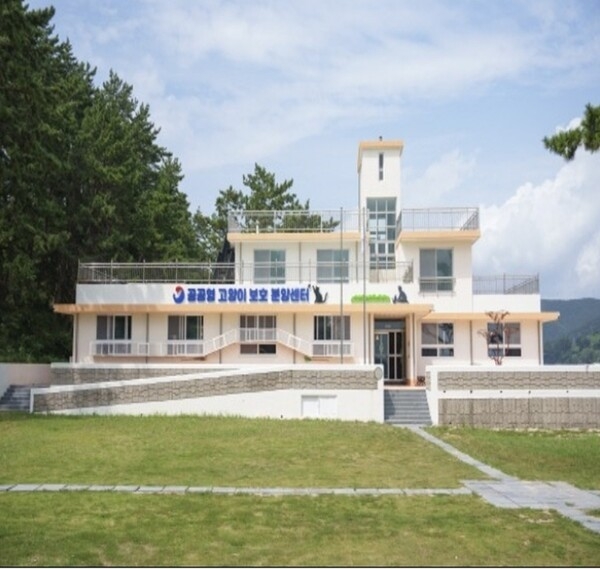
While the former Hwayang Elementary School building sits empty and its grounds serve as a temporary parking lot, a former school on an island in Tongyeong, South Gyeongsang Province, now houses a public cat shelter and adoption center.
The shelter occupies the former Yongho branch of Hansan Elementary School, which closed in 2012.
It took the top prize in the government’s first national competition for new uses of closed schools.
The Education and Interior ministries said Sunday they selected seven projects from 62 submissions, including an observatory in Ganghwa, Incheon, and a traditional papermaking center in Buan, North Jeolla Province.
“Closed schools are not merely idle spaces, but valuable assets that can serve as a new growth engine for local communities,” said Kim Min-jae, vice minister of the interior and safety.
yunapark@heraldcorp.com